

Strong WETSCAPES2.0 Presence at EGU 2026
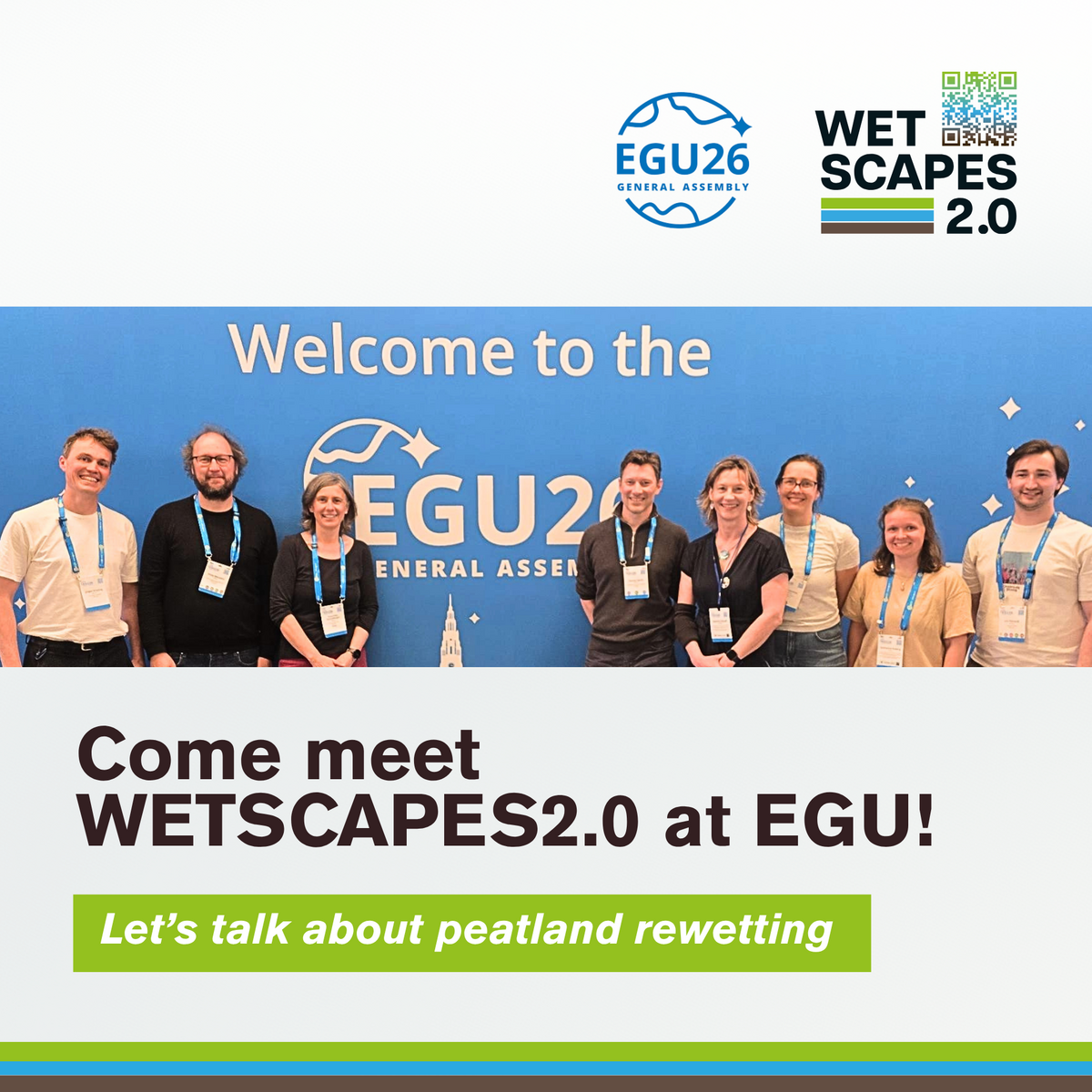
07.05.2026 – In recent years, the General Assembly of the European Geosciences Union (EGU) in Vienna has become one of the most important international meeting places for peatland science. With a growing number of peatland-related sessions, the conference offered our researchers many opportunities to exchange ideas both within the peatland community and with scientists from across the geosciences.
The WETSCAPES2.0 team contributed to discussions on a wide range of topics, including the ecohydrology of rewetted peatlands, climate feedbacks, greenhouse gas dynamics, and peatland monitoring and restoration.
The team is already looking forward to EGU 2027, where the first results from WETSCAPES2.0 will be presented, e.g. in the session “Paludiculture, Peatland Restoration and Peatland Management”, co-convened by Franziska Tanneberger, and others.
Students Explore Biodiversity and One Health Research in Peatlands
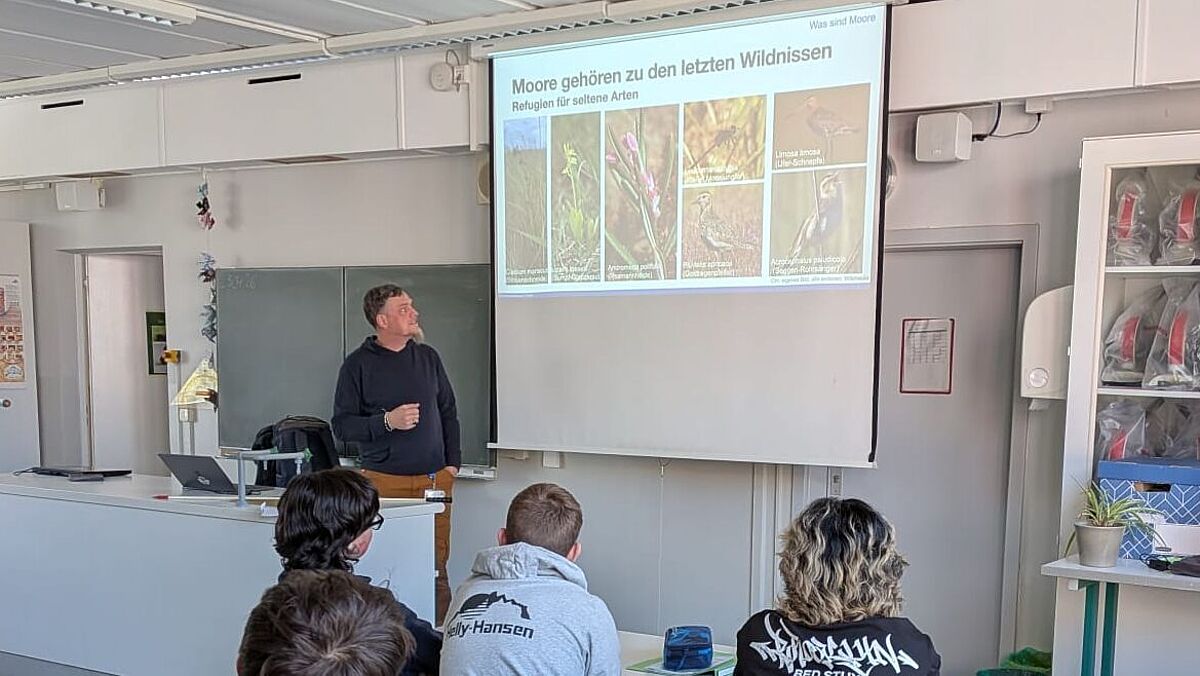
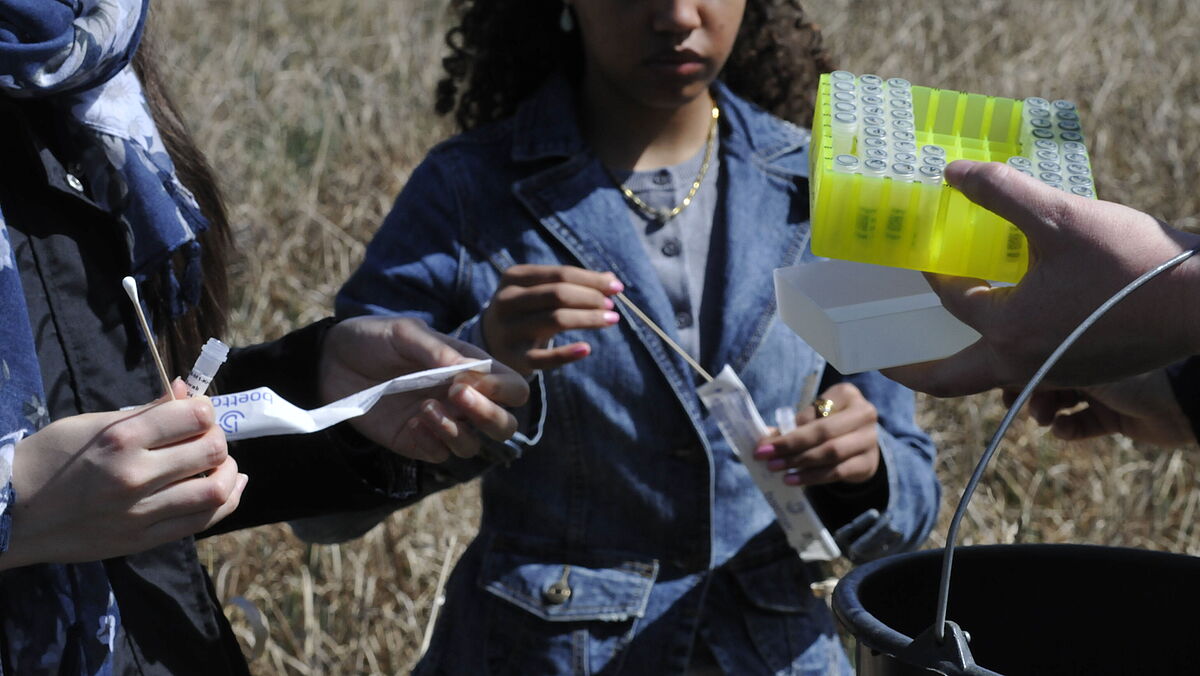
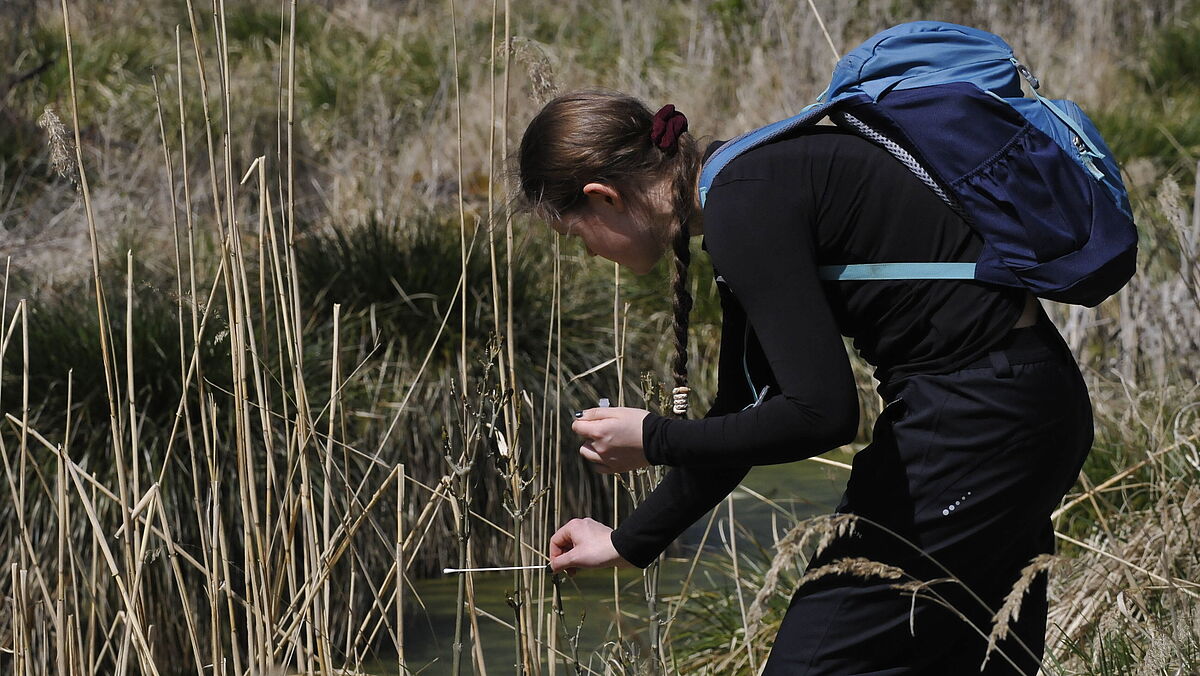
05.05.2026 – Peatlands in the classroom and in the field! As part of the citizen science project CiFly, students from Alexander von Humboldt Gymnasium Greifswald worked alongside researchers to investigate biodiversity and the occurrence of antimicrobial-resistant bacteria.
WETSCAPES2.0 supported this year's focus on peatlands through classroom contributions by Prof. Dr. Gerald Jurasinski and scientific coordination by Dr. Kristin Steinfurth. During a field excursion, the students collected environmental DNA (eDNA) samples on rewetted, drained, and paludiculture-managed peatland sites in the Bargischow Polder and Anklamer Stadtbruch, one of WETSCAPES2.0's core research areas.
By actively involving students in scientific research, the project helps bring knowledge about peatlands into society while inspiring young people to engage with science, climate action, and nature conservation. At the same time, participants gain hands-on experience with scientific methods and have the opportunity to develop and explore their own research questions.
Read more: The full press release from the Helmholtz Institute for One Health is available here.
Excursion to Polder Sandhagen: Learning from Research and Experience
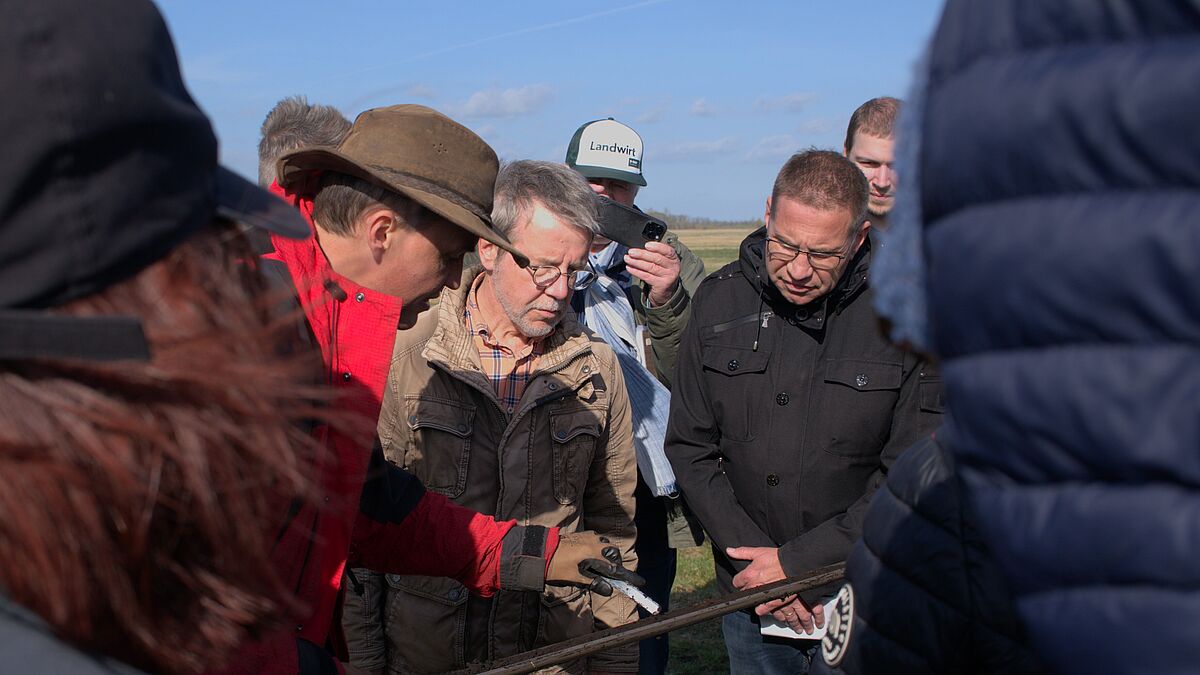
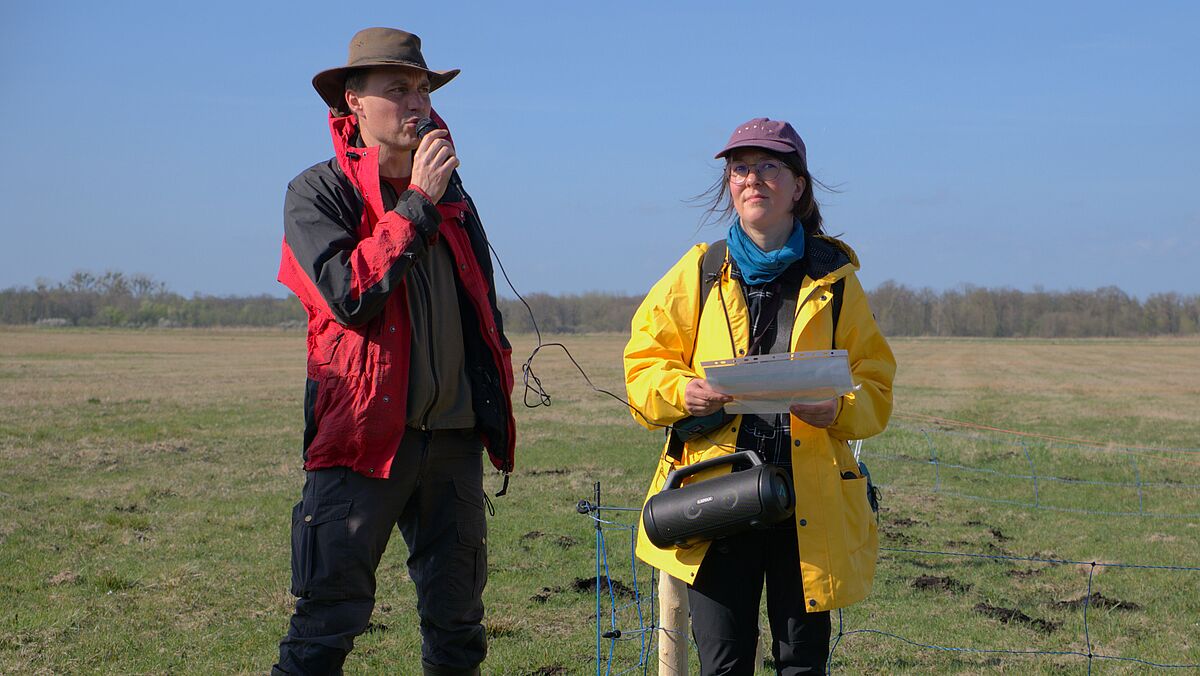
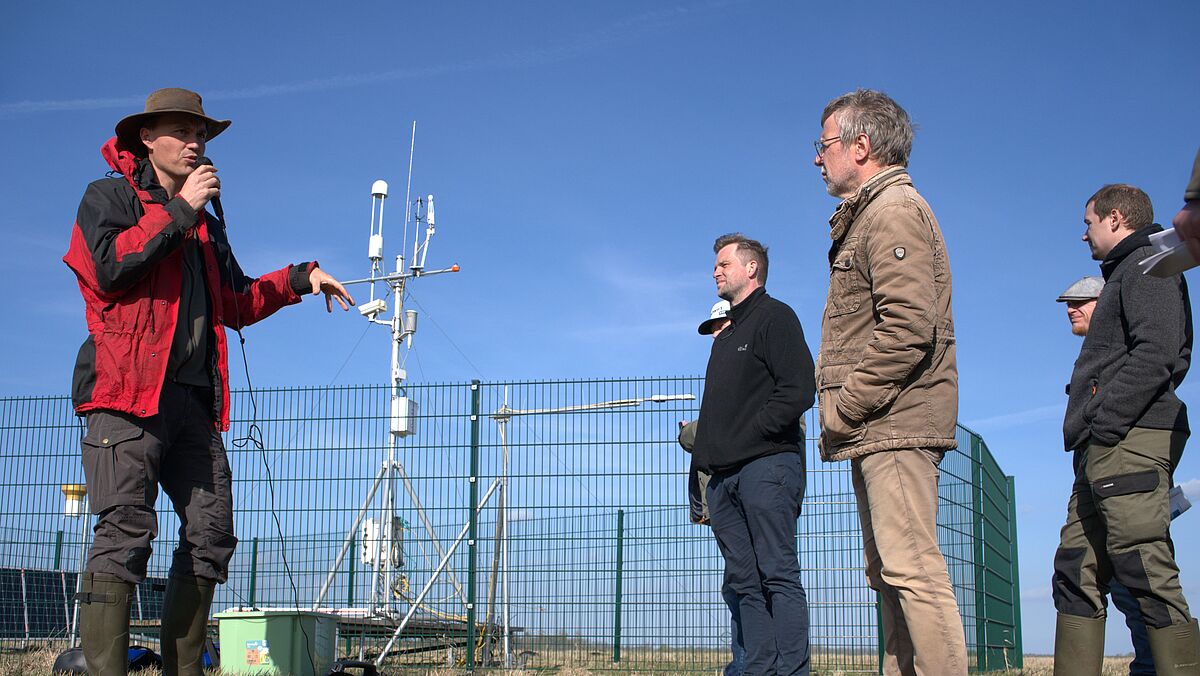
23.04.2026 – Together with the Paludi-MV project we welcomed around 20 participants from agriculture, public administration, environmental organisations and the local community for an excursion to Polder Sandhagen. The site is currently a drained and heavily degraded peatland. Over the coming years, it will be gradually rewetted while continuing to be used through paludiculture – the productive use of wet peatlands.
Prof. Jürgen Kreyling (University of Greifswald) and Dr. Ines Standfuß (University of Rostock) introduced the research taking place at the site and guided participants to several monitoring stations. Since the beginning of the year, researchers have been collecting data on water levels, soil moisture, microclimatic conditions, and greenhouse gas emissions. These measurements will help us better understand how peatlands change during rewetting and provide valuable knowledge for future restoration projects.
One of the highlights of the excursion was the extraction of a peat core around two metres long. Layer by layer, it revealed nearly 3,000 years of peatland history. Plant remains preserved within the peat offered a glimpse into past vegetation, while the different layers showed how the site has changed over time and how drainage has affected the peatland.
The discussions throughout the day were just as valuable as the field demonstrations. Participants shared their own experiences and memories of the polder, adding local knowledge and historical perspectives to the scientific research. One farmer, for example, recalled fertiliser being applied to the area by aircraft decades ago – an unexpected detail that may help researchers better understand the site's history.
Although the monitoring programme is still in its early stages and it will take time before robust results become available, the strong interest and lively exchange made one thing clear: we will be back with another excursion!
Peatlands Up Close at the Long Night of Science Rostock
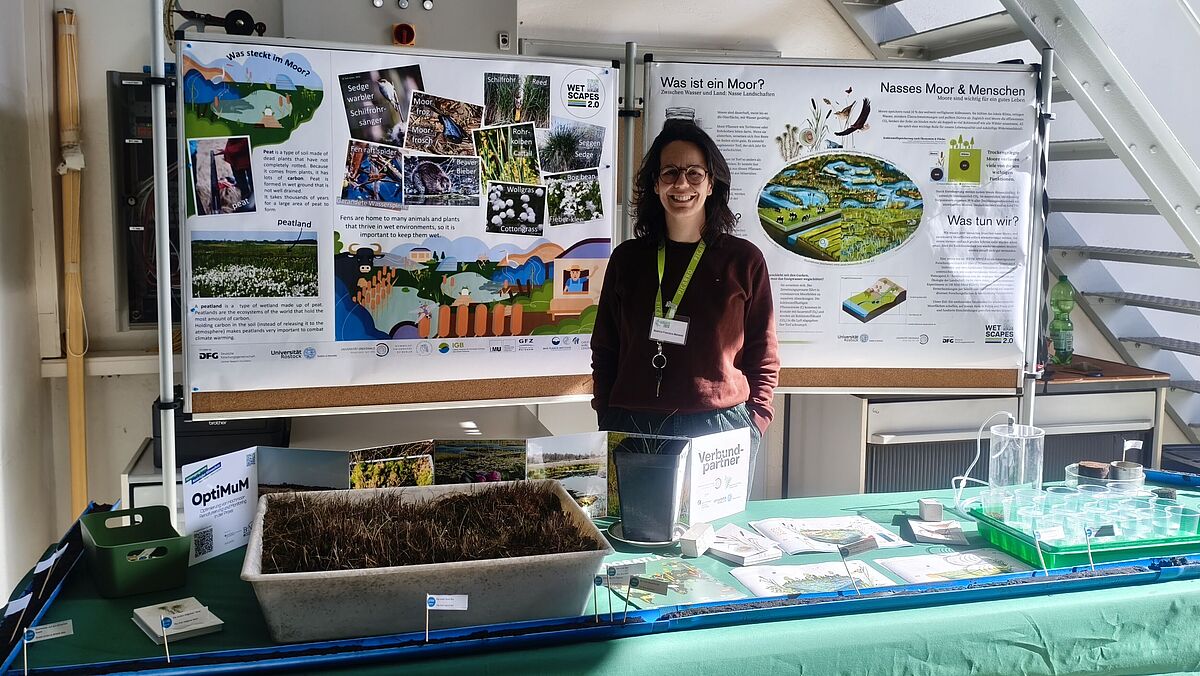
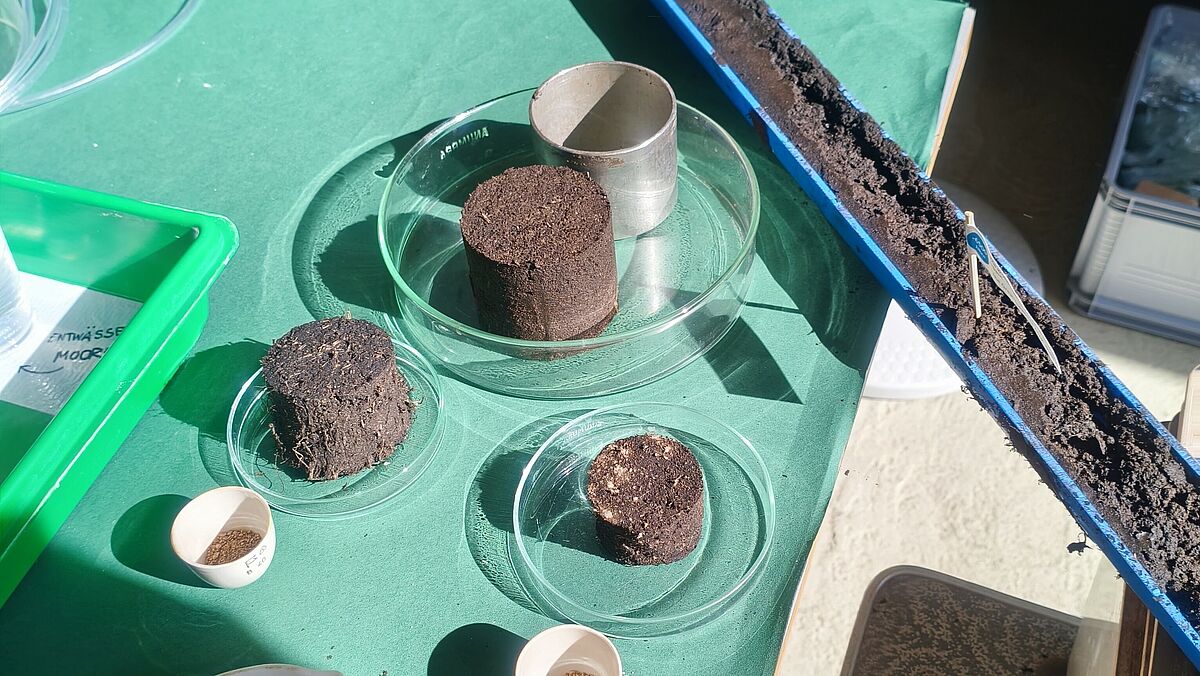
23.04.2026 – Why are peatlands so important for climate protection? What can they tell us about the past, and why should they be rewetted? Visitors explored these questions together with WETSCAPES2.0 researchers at the Long Night of Science in Rostock.
At our stand, visitors could explore peat and peatland plants and learn more about how peatlands form and develop over time. One particular highlight was a peat core marked with historical events along its timeline.
The programme also featured talks by Dr. Anke Günther on The Disappearance of Will-o'-the-Wisps, exploring the fascinating connections between folklore, natural science, and environmental change.
Thank you to everyone who stopped by for their interest, questions, and engaging conversations!
Start of the Field Season in WETSCAPES2.0
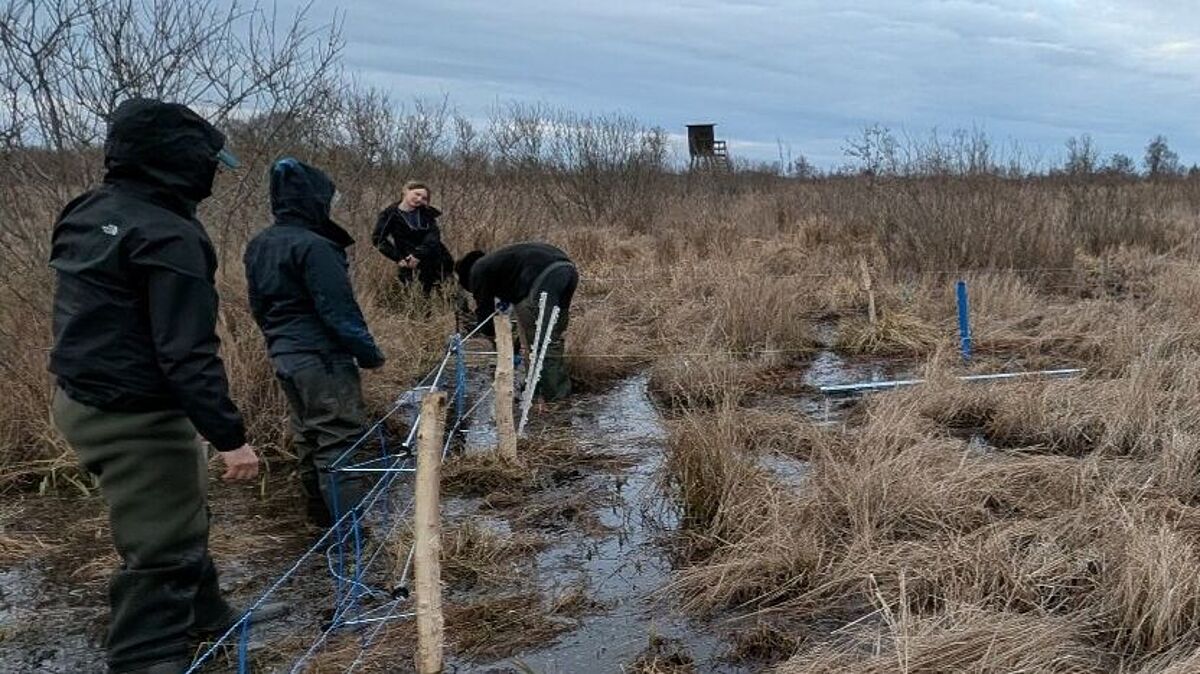

03.04.2026 – Following the end of the winter frost period, monitoring stations and experimental set-ups were established over the past weeks at several core sites and landscape-level experiments. In the Karrendorfer Wiesen, near Tribsees, and in the Sandhagen Polder, research teams installed sensors and other monitoring equipment to record changes in water levels, soil conditions, and microclimatic factors, among other variables.
Alongside scientific expertise, practical support was also needed during the installation work. While setting up fence posts, the researchers received valuable assistance from two new “team members” – the rams BetramM and RamMona, who made an important contribution to the successful start of the field season.
Post by Dr. Anke Günther on Bluesky.
One year of WETSCAPES2.0: Second consortium meeting sets the course ahead
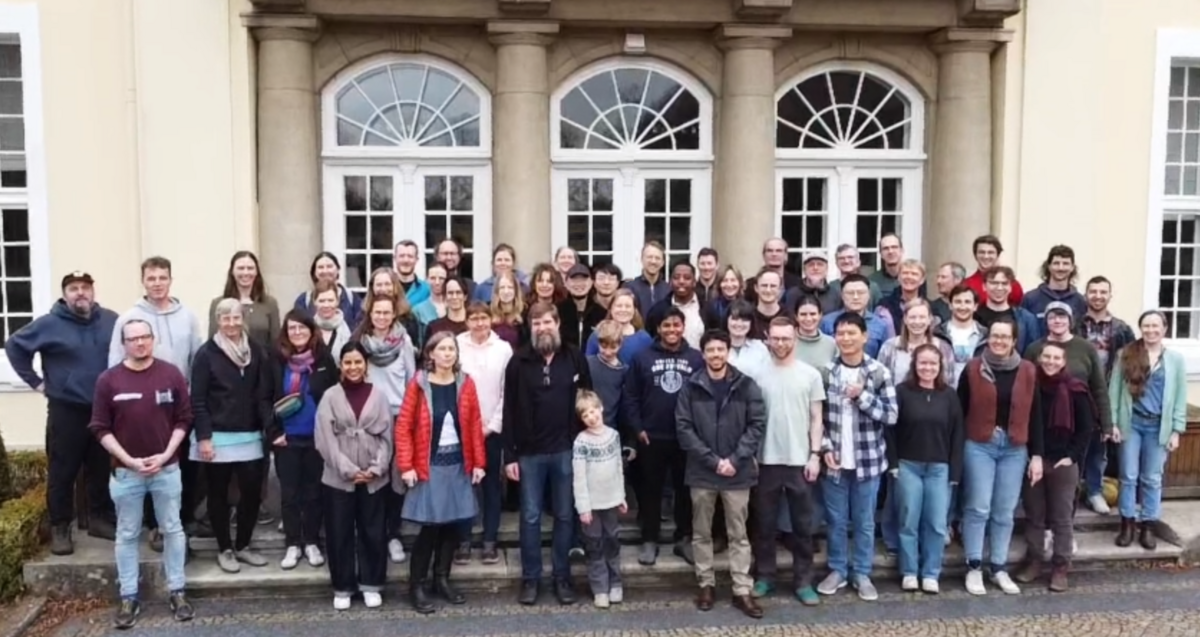
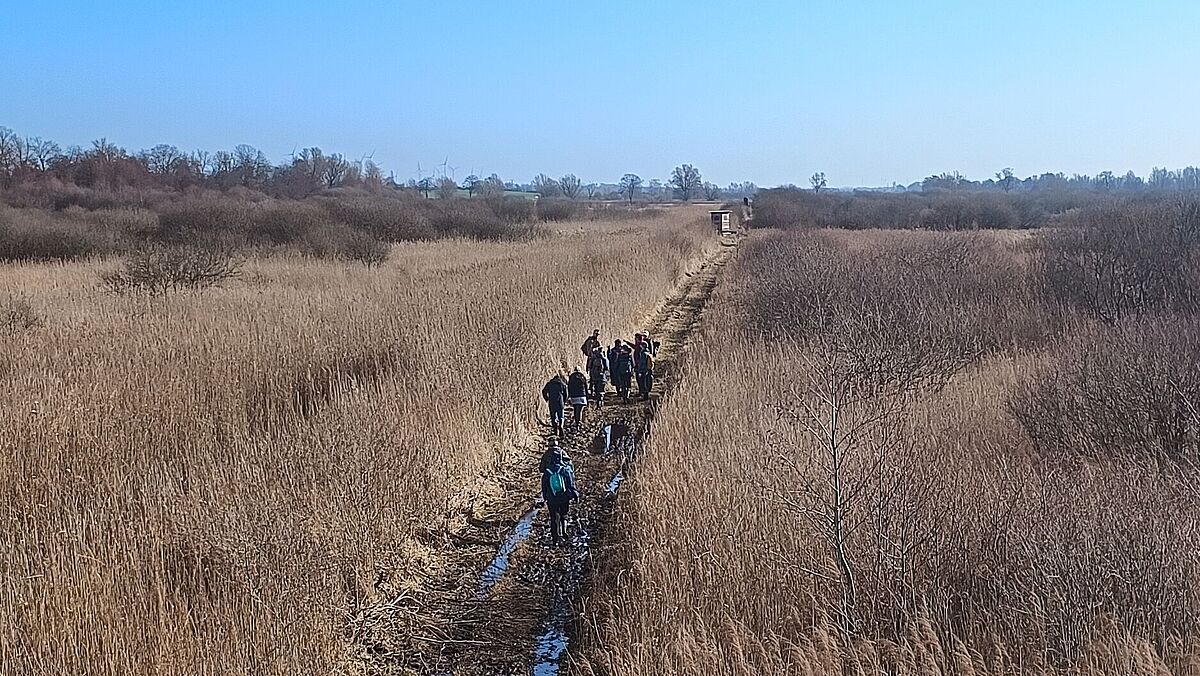
12.03.2026 – One year after the project launch, the WETSCAPES2.0 consortium meets again. Focusing on the next steps, discussions during the three-day meeting center on research approaches, data frameworks, joint publications and other key areas of work.
In interactive World Café sessions, participants explore plans and requirements for different research methods and sites: from screening and core sites to mesocosms and modelling approaches. Workshops on research data management and digital field methods (QField), a media training session, and an on-site visit to the core site of Tribsees further strengthen collaboration and help prepare the next years of the project.
WETSCAPES2.0 researcher appointed to the Landsat Science Team
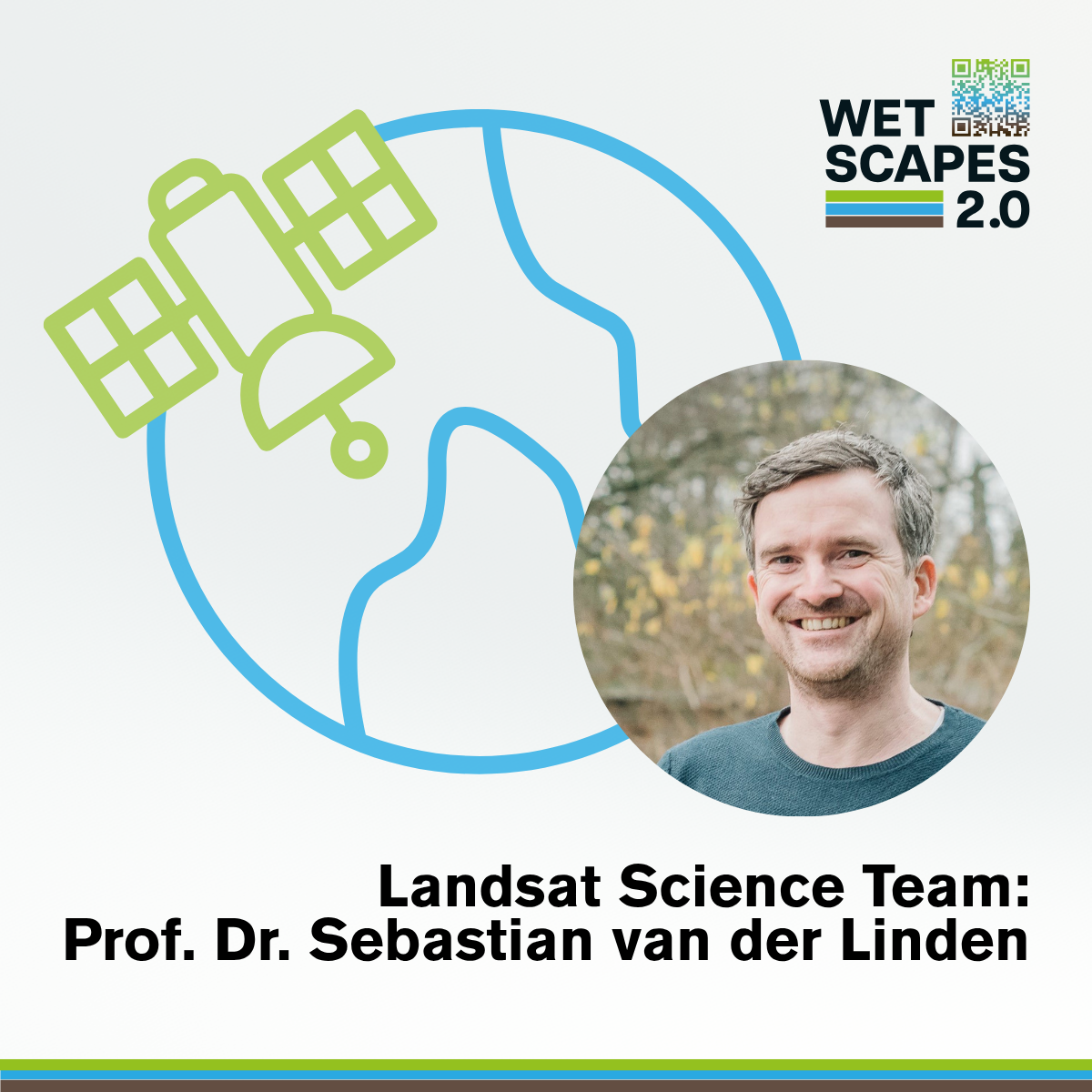
19.02.2026 – Prof. Dr. Sebastian van der Linden, PI of subprojects C4 and S3 in WETSCAPES2.0, has been appointed to the international Landsat Science Team of NASA and the U.S. Geological Survey. The team brings together leading experts to guide the continued development of one of the world’s most important satellite-based Earth observation programmes.
Within WETSCAPES2.0, he uses remote sensing data to capture changes in peatlands and land use across space and time. This data makes it possible to analyse rewetting processes beyond individual sites at the landscape level and to place them in a broader context.
NASA Announcement | Press release by the University of Greifswald
Podcast features on peatlands and climate protection
04.02.2026 – In recent podcast episodes by the Wuppertal Institute and the ARD Audiothek, Dr. John Couwenberg and Dr. Franziska Tanneberger discuss the role of peatlands in climate protection and the challenges of rewetting, following the publication on European peatland emission hotspots.
The discussions focus on the importance of drained peatlands as a source of greenhouse gas emissions and on the potential of rewetting as an effective climate mitigation measure. They also place the new research findings in context and highlight the role of scientific data in informing political and societal decision-making.
Listen to the podcasts (Language - German):