
B4: Causes and effects of vegetation patterns and their role in ecosystem functioning of rewetted fens
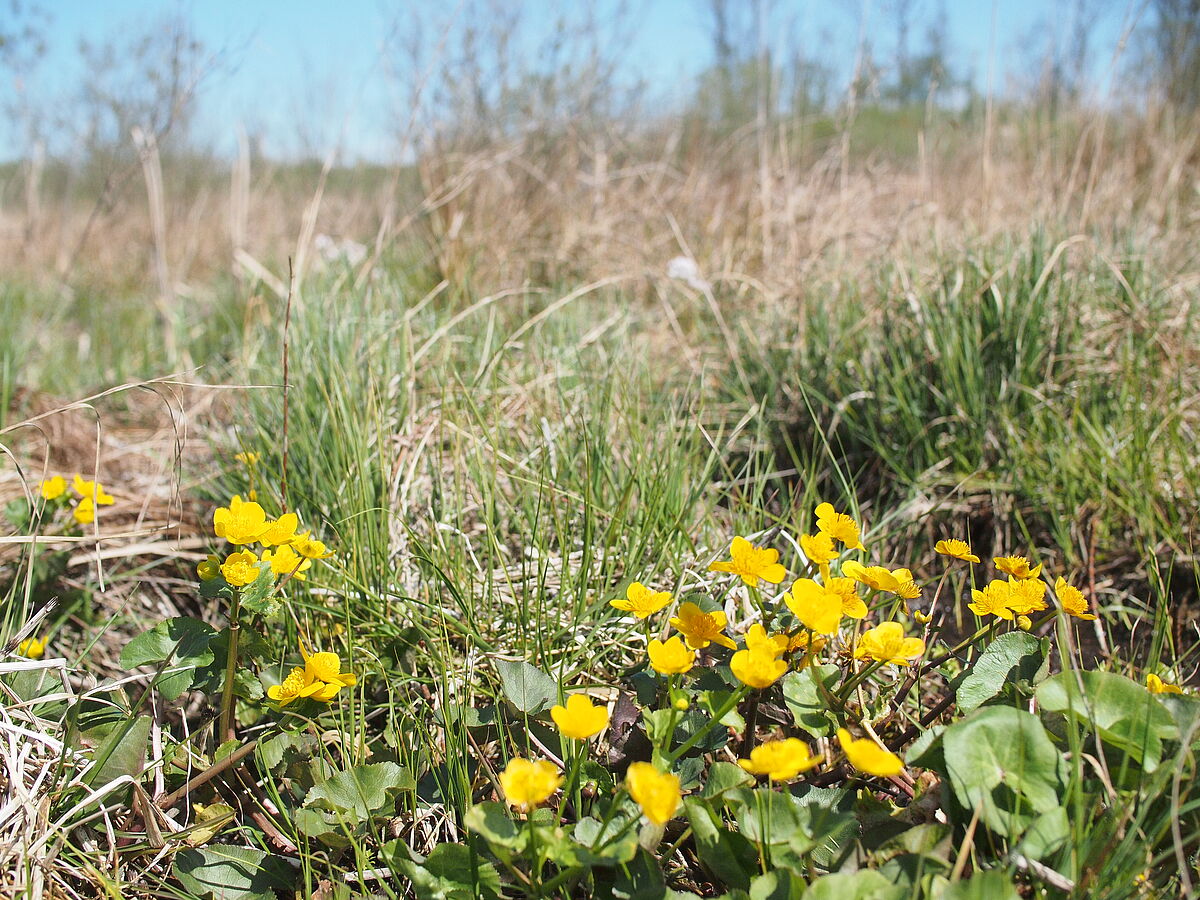
Plants are both the product of and the cause for many of the processes studied in WETCAPES2.0. Rewetting alters the plant species composition which mediates the water and greenhouse gas (GHG) balance of peatlands by changing water transpiration as well as carbon sequestration and biomass decomposition rates, housing different soil microbial communities, and in the long-term determining the peat structure. Vegetation is therefore an indicator of site conditions, habitats and GHG fluxes.
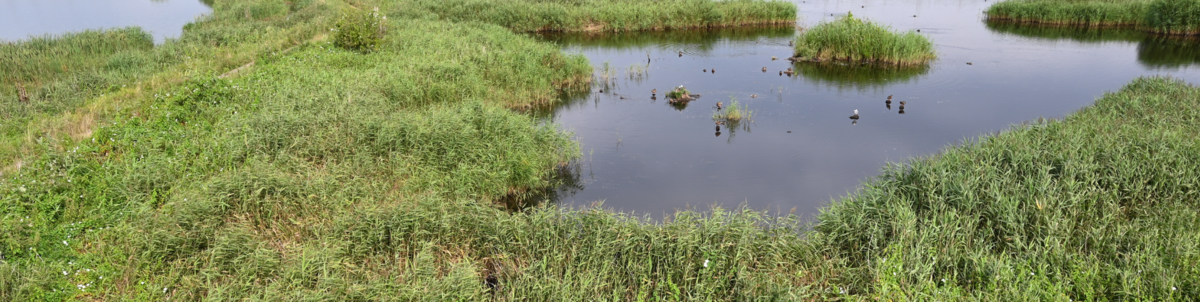
B4 will study vegetation within the peatlands at all experimental levels of WETSCAPES2.0 and link them to abiotic and biotic drivers in time and space. In rewetted fens across northeastern Germany, we conduct vegetation surveys to reveal trajectories of community development and identify constraints to natural succession. Complementary species re-introduction experiments disentangle the relative impacts of environmental filtering, competition, and dispersal limitation on target habitat formation.
Our research contributes to the understanding of several processes explored in WETSCAPES2.0, like C or water cycling, and explores the importance of targeted vegetation management for overcoming legacy constraints and achieving functional recovery. A better mechanistic understanding of plant-driven ecosystem reassembly is vital for designing effective, scalable peatland restoration strategies in the face of climate change and land-use pressures.